“It takes courage to rest in an outcome-driven society.”
“What if rest is the hands of the gardener pulling up the weeds threatening to edge out beauty?” —Saundra Dalton-Smith, MD, Sacred Rest
So, overall, I would not recommend the book Sacred Rest to you. It’s packed full of Christian proselytizing, and the kind of hyperindividualism that forgets that our lack of rest is often baked into the faults in our society, and any cure must reach beyond the actions (and the responsibilities) of each of us alone, into the realm of community care and care for each other. (Specifically, Dr. Dalton-Smith lists ‘Employees live paycheck to paycheck, no margin for vacation or time off’ among the “excuses [we use to] rationalize our neglect [of our need for rest] and how we avoid taking responsibility for our choices.” Yikes.)
However, one thing the good doctor gets right (in my opinion) is in breaking down the rest a person needs into seven categories: physical, mental, emotional, spiritual, social, sensory, and creative. Here’s my loose interpretation of her paths to restoration:
physical – are you stretching, breathing deeply, relaxing muscles during the day? Are you making time for sleep and attending to your sleep hygiene?
mental – are you letting go of responsibility and anxiety periodically to daydream or meditate? How are you connecting with the present moment and your bodily sensations? When do you let go of the day? When can you be uninterrupted?
emotional – how do your chosen activities and the people around you influence your mood? When and with whom do you speak your truth? Choose ways to put your emotional health first. Choose ways to ask for what you want and need.
spiritual – how do you connect to your life’s purpose? When do you let go of the illusion of control? Life is change, and we are here for a limited time. Zoom out your perspective.
social – satisfy your thirst for authentic connection.
sensory – prioritize positive sensory experiences to balance the negative ones you can’t avoid, and make space for sensory rest breaks (fresh air, plain water and simple foods, uncluttered space, stillness, quiet, comfy clothes and temperatures).
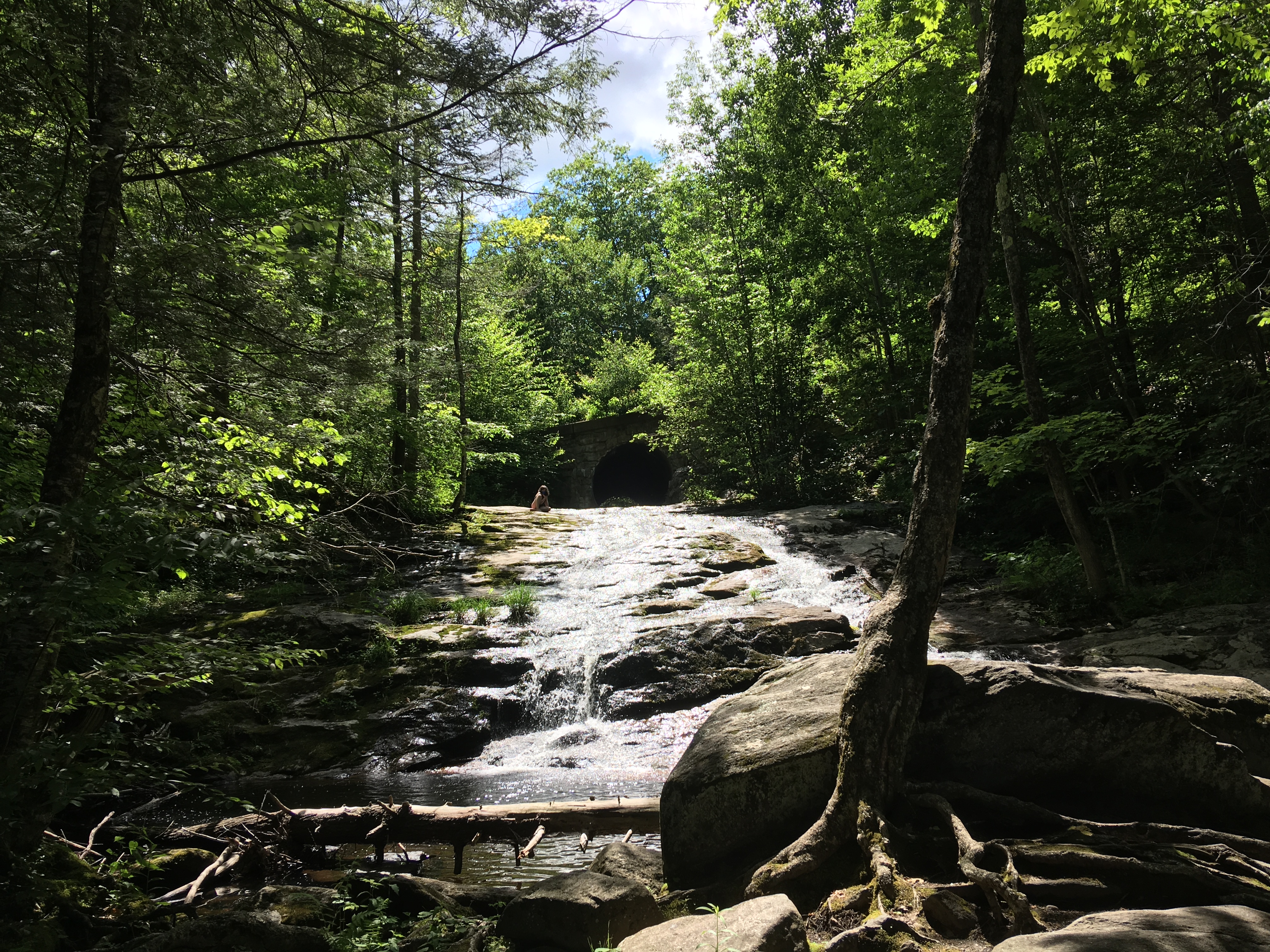
creative – seek out restorative beauty and sweetness. Encounter art, and find awe in nature. Allow yourself to express your experience creatively, if you feel moved to do so.
Here’s what I love about this formulation. First, it identifies the fact that neurotypical people need sensory rest, too! I hadn’t considered this outside of the context of a ‘sensory diet’ for people (often autistic) struggling with dysregulation related to their sensory challenges. She also included ‘motion’ as one of the sensory things that is unrestful—which gives me language for my experience with getting oddly worn out from being around my daughter’s habitual pacing. Second, she echoed my own insight from a few months back about the value of creative rest. The term ‘restorative beauty and sweetness’ was one that came to me during the depths of remote-school winter. (In my case, it definitely involved sunshine and a tea break with beautifully crafted teaware.) And third, I feel good about identifying the areas of strength in my current landscape of rest—the social, physical, and emotional ones. I have many opportunities for vulnerability, authentic connection, and being around people who have a positive emotional impact on me.
So what areas are lacking for me? What kinds of rest do I need to weave into my life more deeply on this journey towards deep recovery from long burnout? The largest things I lack are definitely mental rest and emotional rest. And secondarily, I need to continue attending to my sensory needs and seeking out art and nature. So here’s my rest plan, some I’ve already been doing consistently, some that’s new.
Physical rest: this is an area of great strength for me. I am doing great with my sleep, and I am being careful with my workouts. (My body makes it easy to do well with these, as I feel crummy and catch minor illnesses regularly when I don’t sleep enough and my chronic pain lets me know if I’m overdoing it in other ways.)
Mental rest: this is an area of both need and strength. I do need more mental rest, particularly of executive functioning and blocking out times when I won’t be interrupted. But I also have a longstanding meditation practice that I can build on, and a lot of busywork in the garden to do when I need to think in motion. I am starting with a renewed commitment to a 20 minute daily meditation isolated from outside noises and interruptions.
Emotional rest: I’m not low on the type our author primarily identifies, that of resting from the performance of false emotions or associating with people who drain one’s mood. But an area where I have a lot of work to do is in considering my feelings first, not last, and prioritizing my needs better than I have been. What does internal emotional support look like? I’m so good at dispensing it to everyone else, but this remains something of a puzzle.
Spiritual rest: it’s possible I need more of this, but I’m not feeling a strong lack.
Social rest: my life is basically built around authentic connections! It’s all good here.
Sensory rest: focusing on and prioritizing positive sensory experiences has always been a cornerstone of my management of my chronic pain, but I could stand to find ways to make it a more intentional and consistent part of my day. I’m going to experiment with fragrances/aromatherapy, make some time to listen to music, seek quiet more frequently, and try to keep some small areas of our home tidy. (That last is a bit fraught, because having to clean up after other people (or remind/nag them into doing it) in shared spaces to get the sensory rest I crave rubs me the wrong way. But I don’t have a room of my own, and half my household has mess-blindness as an aspect of their ADHD, so this is probably the best I can realistically hope for.)
Creative rest: as above, I had figured out that this was important, but maybe I need to find some specific actions to take—even if it’s spending time in the garden like I always do, but with a focus on connecting to nature rather than doing garden chores.
Onwards!
 Living Vividly